
A full-time job. A bit of weekend dog walking through an app. Maybe some furniture flips on Marketplace. None of it feels like “income” the way a payslip does, not really. Then tax time rolls around, and the ATO’s data-matching quietly picks up the bank deposits, the platform payment summaries, the PayID transfers that never made it into a return. Pocket money on the side turns into an amended assessment. Sometimes a bill for tax that should’ve been set aside months earlier, back when it still would’ve been easy.
It’s a pattern turning up more often across Burwood, where a lot of people are juggling a main job with delivery driving, tutoring, or reselling on the side. Anyone searching for accountants Burwood residents actually use tends to be doing it for exactly this reason. Their tax return didn’t get complicated on purpose. A second income stream just quietly changed what “simple” even means.
Multiple Income Streams Push You Into Territory Software Doesn’t Flag
A single employer, one payslip, a standard deduction or two — that return fills itself out. Add a second job, some gig platform income, or rental income from a spare room, and each source comes with its own reporting quirks. Platforms like Uber and Airtasker report earnings to the ATO directly now. Whatever figure they’ve already got has to match the one on the return, down to the dollar.
PAYG Withholding Doesn’t Cover a Second Income Properly
Each employer withholds tax as if that job were the only income earned all year. Both of them do, but separately, which is exactly the problem. A second job, taxed the same way, ends up under-withheld once both incomes are combined and pushed into a higher bracket. Nobody sees the gap coming. It shows up as a bill, after the return’s lodged, once it’s too late to have planned for it.
Gig and Platform Income Isn’t Taxed the Way People Assume
Money from Uber Eats, Airtasker, or a side-selling account isn’t a gift from the algorithm, it’s assessable income, full stop, regardless of whether it lands weekly or in irregular chunks. What trips people up usually isn’t declaring the income. It’s never having tracked the expenses that would’ve offset it. Fuel. A portion of phone and data costs. Platform fees, even a slice of car depreciation for delivery work. All legitimate claims, but only with something to back them up when asked.
Record-Keeping Habits Matter More Than the Income Itself
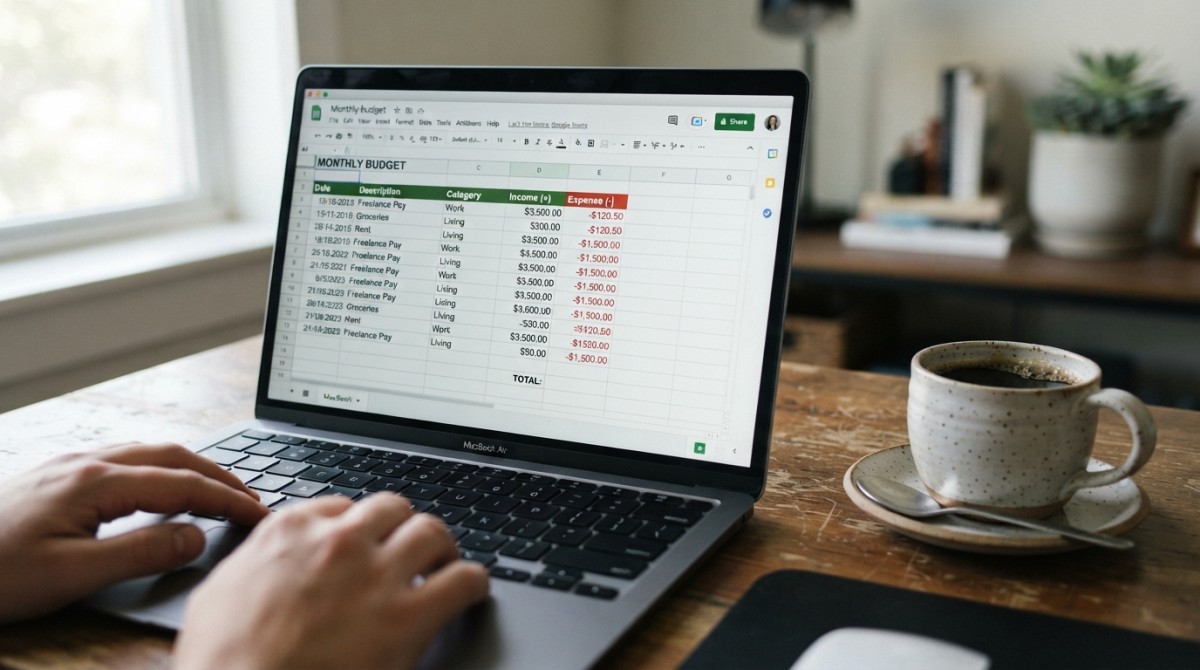
A logbook kept for twelve weeks, a folder of fuel receipts, a spreadsheet tracking payouts against expenses. None of it’s complicated. Almost nobody bothers. Then the first bill lands, and suddenly everyone’s a record-keeper. By then, a year’s worth of receipts has usually gone missing, and reconstructing it from bank statements takes far longer than keeping the records would have in the first place.
Rental Rooms and Short Stays Add Their Own Layer
Renting out a spare room or listing a place on Airbnb a few weekends a year sits in a similarly misunderstood spot. That income is assessable, and it can also affect the capital gains exemption that usually applies to a family home, since a portion of the property’s been used to produce income. It’s not something most homeowners think to check until they’re already selling.
Getting the Full Picture Once a Year Isn’t Enough
The businesses and individuals who avoid the surprise bill aren’t the ones with fewer income sources. They’re the ones who’ve had someone map out how those sources interact before the return gets lodged, not while it’s being lodged. A conversation in the months before June 30 leaves room to adjust withholding, set aside what’s owed, restructure how a side income is run. A conversation in July is mostly just damage assessment, and everyone already knows it.
If side income, a second job, or a spare room has made this year’s return feel messier than last year’s, talk to the team at Kadota before the numbers get locked in.