
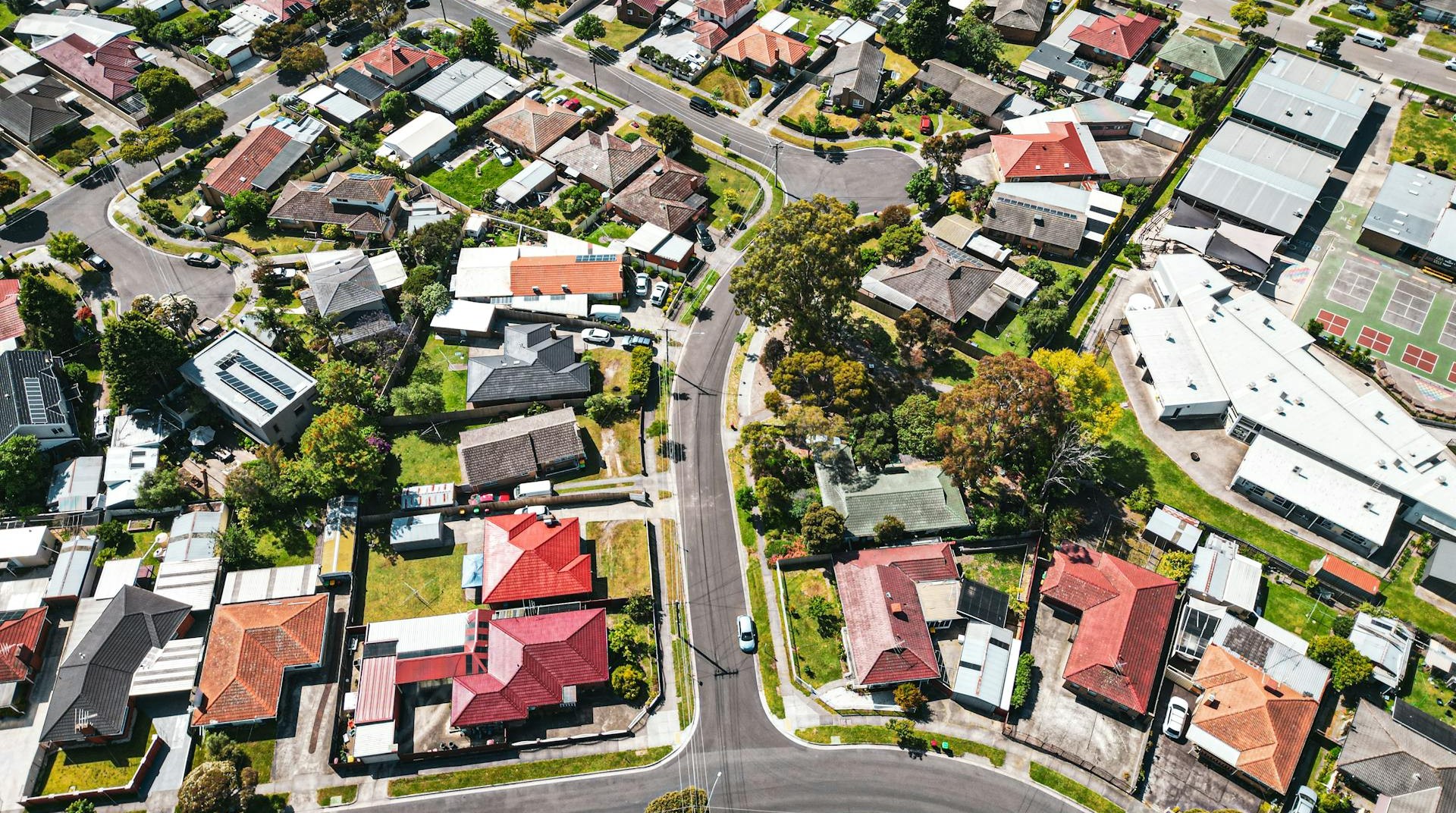
Buying your first home is a big step, and it can feel a bit overwhelming when you think about all the costs involved. Luckily, there are a few Australian Government Grants to Help You Buy Your First Home that might make things a little easier. These programs are designed to give first-time buyers a bit of a boost, whether it’s with your deposit or other costs. Let’s take a look at what’s out there and how you might be able to use them.
Key Takeaways
- Various government schemes exist to help first-time home buyers in Australia, aiming to reduce upfront costs.
- The First Home Owner Grant (FHOG) is a key federal initiative, though specific details and availability can vary.
- Beyond the FHOG, look into schemes like the First Home Loan Deposit Scheme (FHLDS) and any state-specific programs.
- Carefully check eligibility criteria for each grant or scheme, as these often have specific requirements.
- Gather all necessary documentation well in advance to streamline your application process.
Understanding Government Grants for First Home Buyers
What are First Home Owner Grants (FHOG)?
Government grants for first home buyers are essentially financial assistance provided by federal, state, or territory governments to help individuals purchase their first property. These grants are designed to reduce the upfront costs associated with buying a home, making it more accessible for those entering the property market. The primary goal is to stimulate home ownership and support individuals and families in achieving this significant life milestone.
These schemes can take various forms, including direct cash grants, tax rebates, or concessional loans. For instance, some grants might cover a portion of your stamp duty or provide a lump sum to go towards your deposit. It’s important to understand that these programs often have specific criteria and limitations, so careful research, or a consultation with experienced mortgage brokers or your financial advisor is always recommended.
Eligibility Criteria for FHOG
To be eligible for most first home owner grants and schemes, you’ll typically need to meet a set of requirements. While these can vary between different programs and jurisdictions, some common criteria include:
- Residency Status: You generally need to be an Australian citizen or a permanent resident. Some state-specific programs might have slightly different rules, so always check the details for your particular location.
- Age: You must be at least 18 years old.
- First Home Buyer Definition: This is a key one. Generally, you (and your spouse or partner, if applicable) must not have previously owned a residential property in Australia or overseas. This definition can sometimes extend to not having lived in a home owned by your spouse or partner in the four years prior to your application.
- Intention to Occupy: Most grants require that you intend to live in the purchased property as your principal place of residence, at least for a certain period after purchase. This means the property must be your main home, not an investment property.
- Property Value Limits: Some grants or schemes may have a cap on the purchase price of the home you can buy to be eligible. This is to ensure the assistance is targeted towards more affordable housing options.
- Contractual Requirements: You’ll usually need to enter into a contract to buy or build a new home. The specifics of what constitutes a ‘new home’ can vary, so it’s worth clarifying if you’re looking at a newly built property or a significant renovation.
It’s vital to remember that eligibility criteria can change, and each state and territory, as well as the federal government, may have its own unique set of rules. Always consult the official government websites or a qualified professional for the most current and accurate information pertaining to your situation and location.
Other Government Schemes to Assist First Home Buyers
Beyond the First Home Owner Grant, several other government initiatives are designed to make purchasing your initial property more achievable. These programs often focus on reducing upfront costs or making it easier to secure a loan.
First Home Loan Deposit Scheme (FHLDS)
The First Home Loan Deposit Scheme (FHLDS) is a federal government initiative aimed at helping eligible first-time homebuyers purchase a home with a deposit of as little as 5% of the property’s value. Typically, lenders require a deposit of 20% to avoid paying lenders mortgage insurance (LMI). The FHLDS works by the government guaranteeing a portion of the home loan, allowing eligible buyers to avoid LMI and secure a loan with a smaller deposit. This can significantly reduce the time and effort required for saving for your first home deposit.
To be eligible for the FHLDS, you generally need to be an Australian citizen, over 18, and a first-time homebuyer. There are also income and property price caps that apply, which can vary each financial year. It’s important to check the latest criteria with your lender or a mortgage broker.
HomeBuilder Grant (if applicable and still available)
The HomeBuilder Grant was a temporary measure introduced by the federal government to support the residential construction industry. It provided eligible owner-occupiers (including first-time buyers) with a grant to build a new home or substantially renovate an existing one.
- Eligibility typically required you to be an individual, not a company or trust.
- Income thresholds applied, meaning your annual income could not exceed a certain amount.
- Strict timelines were in place for signing contracts and commencing construction.
As this was a temporary scheme, its availability has now concluded. However, it serves as an example of the types of support that may be introduced during specific economic conditions. Always verify the current status of any grant before making plans.
State and Territory Specific Schemes
In addition to federal programs, each state and territory in Australia offers its own unique set of grants and concessions for first-time homebuyers. These can include:
- Stamp Duty Concessions or Exemptions: Many states offer reduced or waived stamp duty (a tax on property transactions) for eligible first-time buyers, particularly on properties below a certain value. This can represent a substantial saving.
- First Home Owner Grants (State-Based): While the federal FHOG is a key program, some states may have their own variations or additional grants for new home builds.
- Shared Equity Schemes: Some state governments offer shared equity programs where they contribute a portion of the purchase price in exchange for a share of the property’s value. This reduces the amount you need to borrow and your deposit.
It is highly recommended to consult with your state or territory’s housing authority or a qualified mortgage broker. Brokers can guide you through the complexities of these state-specific incentives and help you determine which ones you qualify for, alongside federal schemes. They can also assist in understanding how these schemes interact with your overall home loan application and your saving for your first home deposit goals.
Understanding the nuances of each scheme is vital. While these programs are designed to assist, they come with specific eligibility requirements and conditions. Thorough research and professional advice are your best allies in making the most of these opportunities.
How to Apply for Government Grants and Schemes
Applying for government assistance to buy your first home involves a structured process. While the specifics can vary between different grants and schemes, there are common steps you’ll need to follow. Understanding these requirements upfront will streamline your application and increase your chances of success.
Gathering Necessary Documentation
Before you begin filling out any forms, it’s vital to collect all the required documentation. This typically includes proof of identity, residency status, and income. You’ll likely need to provide identification such as a driver’s licence or passport. Evidence of your income, like payslips or tax returns, will also be necessary to verify your financial situation. Depending on the specific scheme, you might also need to provide a copy of your signed purchase agreement for the property, or evidence that you are building a new home.
- Proof of Identity (e.g., Driver’s Licence, Passport)
- Proof of Income (e.g., Recent Payslips, Tax Returns)
- Proof of Residency Status
- Signed Purchase Agreement or Building Contract
- Evidence of Savings for a Deposit
Submitting Your Application
Once you have all your documents in order, the next step is to submit your application. Most government grants and schemes have online portals where you can lodge your application. Some may require you to submit physical copies via mail or in person at a designated office. It’s important to read the application guidelines carefully for each scheme you’re applying for, as submission methods and deadlines can differ significantly. Pay close attention to any specific instructions regarding the format of uploaded documents or the required postage for mailed applications.
Always double-check that all fields are completed accurately and that all supporting documents are attached before final submission. Incomplete applications are a common reason for delays or rejections.
Maximising Your Chances of Approval
Getting approved for government grants and schemes isn’t just about meeting the basic criteria; it’s about presenting your application in the best possible light. Think of it like preparing for an important interview – you want to be organised, thorough, and clear.
First things first, get your paperwork sorted. This means having all your identification, proof of income, and any other financial documents readily available. Missing or incorrect information is a common reason for delays or rejections. A little extra time spent here can save you a lot of hassle later.

Here’s a quick checklist to help you prepare:
- Proof of Identity: Driver’s licence, passport, or other government-issued ID.
- Proof of Income: Recent payslips, tax returns, or a letter from your employer.
- Bank Statements: Usually for the last 3-6 months, showing your savings and spending habits.
- Property Details: If you’ve found a specific property, have the details handy.
- Existing Debts: Information on any loans or credit card balances.
Beyond the paperwork, demonstrating financial responsibility is key. Lenders and grant providers want to see that you’re managing your money well. This includes having a good credit history. If you’re unsure about your credit score, it’s worth checking it before you apply. Small steps like paying bills on time and keeping credit card balances low can make a difference.
Consider your savings strategy too. While grants help with the deposit, showing you’ve saved a portion of it yourself demonstrates commitment. Automating savings transfers from your everyday account to a dedicated savings account can be a simple yet effective way to build your deposit consistently.
Be prepared to explain your financial situation clearly and honestly. If there are any unusual circumstances, like a period of unemployment or significant one-off expenses, having a brief explanation ready can be helpful. Transparency is often appreciated.
Finally, don’t hesitate to seek advice. Talking to a mortgage broker or a financial advisor who specialises in first home buyer schemes can provide tailored guidance. They understand the nuances of different programs and can help you identify the best fit for your circumstances, potentially spotting opportunities or pitfalls you might miss on your own.
Frequently Asked Questions About First Home Buyer Grants
It’s understandable to have questions when looking into government assistance for your first home. Let’s clear up some common queries.
What exactly is a first home owner grant?
These grants are typically one-off payments from the government designed to help eligible first-time buyers get into the property market. The specifics, like the amount and eligibility, can vary significantly between states and territories. Some might cover a portion of your building costs, while others offer a set amount to help with your deposit or stamp duty.
How do these grants affect my home loan application?
Generally, grants are seen as a positive. They can boost your deposit, which can improve your loan-to-value ratio and potentially lead to better interest rates. However, it’s important to discuss with your lender how any grant funds will be treated in relation to your deposit and overall borrowing capacity. The credit score impact on home loan deposits is more about your history of managing debt and credit, rather than the source of your deposit funds, but a stronger financial position overall, which a grant contributes to, is always beneficial.
Are there different types of government assistance?
Yes, absolutely. Beyond direct grants, you might find schemes like low-deposit home loan guarantees, which reduce the amount you need to save for a down payment. There are also tax concessions, such as land transfer tax rebates, which can save you a considerable amount at settlement. It’s worth investigating both federal and state-level programs.
What are the general eligibility requirements?
While specific criteria differ, most programs require you to be a genuine first-time home buyer, meaning you (and your partner, if applicable) haven’t owned a home before. You’ll usually need to be an Australian citizen or permanent resident, and there are often limits on the value of the home you can purchase and your income. You’ll also need to live in the home for a certain period.
Can I use these grants for any property?
Most grants and schemes are intended for owner-occupier purchases, meaning you intend to live in the property yourself. There are often restrictions on the type of property, such as it needing to be a new build or having a maximum purchase price. Always check the specific rules for the grant you’re interested in.
What if I’m buying with someone who has owned a home before?
This can complicate things. If you’re buying with a partner or family member who has previously owned property, you may not be eligible for most first-time buyer grants. Some schemes might have provisions for individuals who have gone through a relationship breakdown, but generally, if any buyer on the title has owned a home, the ‘first-time buyer’ status is lost for the entire application.
How long does the application process take?
It varies. Some applications can be processed relatively quickly, especially if submitted directly to a state revenue office. Others, particularly those involving loan guarantees or complex schemes, might take longer. It’s best to apply well in advance of your settlement date to avoid any last-minute issues.
It’s always wise to consult directly with the relevant government body or a qualified mortgage broker to get the most accurate and up-to-date information for your specific situation. Don’t rely solely on general advice, as programs can change.
Your Path to Homeownership Starts Now
Buying your first home is a big step, and it’s great that you’re looking into all the ways you can get help. We’ve gone through a bunch of government grants and schemes, from federal programs like the Home Buyers’ Plan and the First Home Savings Account, to provincial and even city-specific help. It can seem like a lot to take in, but remember, these programs are there to make things easier for you. Take your time to look into what applies to your situation, and don’t be afraid to ask questions. Getting your own place is definitely achievable with a bit of planning and by using the support that’s available.